

Degrees and Skills: Finding Balance in Entry Level Hiring
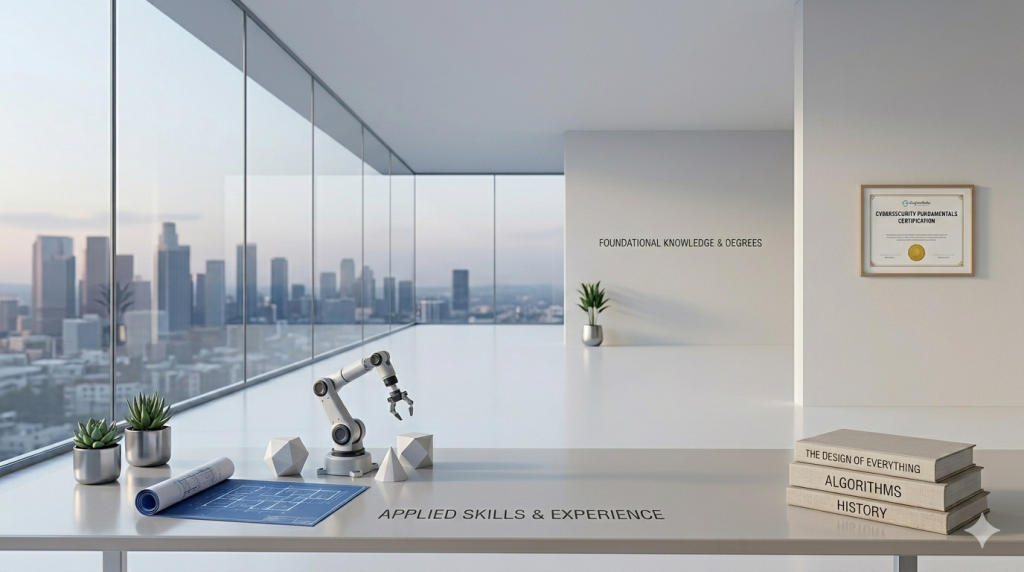
The conversation around hiring is evolving, particularly at the entry level. For many years, a university degree was widely viewed as the primary gateway into the workforce, signaling both knowledge and readiness. Today, however, many organizations are rethinking how they evaluate early career candidates, placing greater emphasis on practical skills alongside formal education. Rather than replacing degrees, this shift reflects a broader effort to better align entry-level hiring with the realities of modern work. At the entry level, one of the biggest challenges employers face is assessing potential. Many candidates have limited full time work experience, so degrees have traditionally served as a proxy for capability. However, employers are increasingly recognizing that academic credentials alone may not fully capture a candidate’s ability to perform in a role. Skills developed through internships, part time jobs, volunteer work, and extracurricular activities are becoming more important indicators of readiness. As a result, hiring practices are expanding to consider a wider range of experiences that demonstrate initiative, adaptability, and problem-solving. At the same time, degrees continue to hold strong value, especially for those entering the workforce. Higher education provides foundational knowledge, but also helps develop critical thinking, communication, and time management skills. For many students, a degree is their first structured exposure to a particular field, and it can signal both commitment and the ability to learn in complex environments. In certain industries, degrees are not only valued but required, making them an essential starting point for entry-level roles. This raises an important question: how should education and experience be weighed early in a career? Increasingly, employers are not choosing one over the other but instead looking for a combination. A degree can provide the theoretical grounding, while hands-on experience, no matter how small, demonstrates how that knowledge is applied. For entry level candidates, even limited experience can make a meaningful difference when paired with a relevant educational background. The growing emphasis on skills in entry level hiring is also influenced by the expansion of alternative learning pathways. Certifications, online courses, and short-term training programs allow individuals to build job relevant skills alongside or outside of traditional education. For students and recent graduates, these options can enhance employability by bridging the gap between academic learning and workplace expectations. It is also important to recognize that this balance shifts over time. At more senior levels, particularly in certain industries, formal education often becomes less heavily weighted compared to years of experience and proven performance. Once individuals have established themselves in their field, employers tend to focus more on what they have accomplished rather than how they initially qualified. In this sense, entry-level hiring is unique, education plays a more prominent role early on, while experience becomes increasingly important as careers progress. For students, this evolving landscape highlights the importance of building both academic and practical experience. While earning a degree remains valuable, complementing it with internships, projects, or skill development opportunities can strengthen a candidate’s profile. Rather than viewing degrees and skills as competing priorities, they are most effective when developed together. From an organizational perspective, this shift can support more inclusive and effective hiring practices. By evaluating both education and demonstrated skills, employers gain a more complete understanding of a candidate’s potential. At the entry level, where traditional indicators may be limited, this broader approach can help identify strong candidates who might otherwise be overlooked. Ultimately, entry-level hiring is becoming less about meeting a single requirement and more about demonstrating overall readiness. Degrees remain an important part of that equation, offering a foundation for learning and growth. At the same time, skills and experience provide insight into how candidates can apply that foundation in practice. As hiring practices continue to evolve, the most successful entry-level candidates will be those who bring both, an educational background that supports their understanding, and practical skills that show their ability to contribute. In today’s talent landscape, it is not a question of degrees versus skills, but how the two come together at the start of a career. By: Abby Duong, HR Assistant