

Data-Driven HR: How People Analytics Is Transforming Turnover and Performance
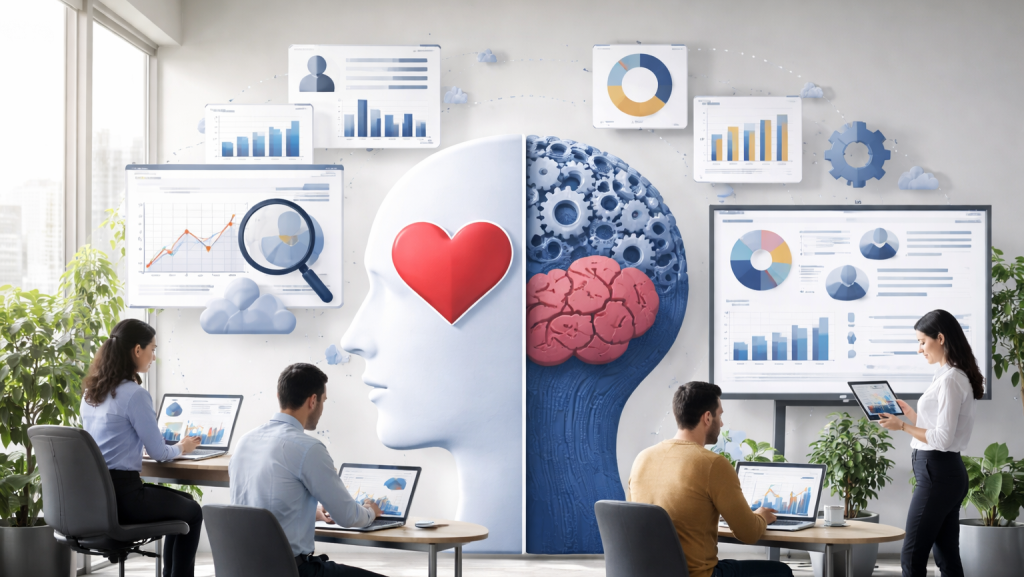
For years, HR has been known as the “heart” of an organization focused on people, culture, and relationships. Today, it is also becoming the brain. Welcome to the era of data-driven HR, where people analytics helps organizations shift from reactive problem-solving to proactive decision-making. Instead of asking, “Why did this employee leave?” leading companies are now asking, “How can we predict and prevent turnover before it happens?” What Is People Analytics? People analytics (also known as HR analytics or workforce analytics) is the practice of collecting and analyzing employee data to improve business decisions. This may include engagement scores, performance ratings, absenteeism trends, promotion timelines, compensation data, training participation, and exit feedback. The goal is not to reduce people to numbers. It’s to use data thoughtfully to improve employee experience and strengthen organizational strategy. Predicting Turnover Before It Happens Turnover is costly both ways: financially and culturally. Replacing an employee can cost anywhere from 30% to 200% of their salary, not to mention the disruption to morale and productivity. Predictive analytics allows HR teams to identify patterns that signal risk. For example: With these insights, HR can take proactive steps such as conducting stay interviews, offering career development opportunities, adjusting workloads, or reassessing compensation structures. The objective isn’t control, it’s support. Improving Performance with Real-Time Insights Traditional performance management often relies on annual reviews, which can delay meaningful feedback. People analytics enables continuous performance tracking and evidence-based decision-making. Organizations can: When data reveals that certain training programs consistently improve performance, those initiatives become strategic investments. When productivity dips align with workload imbalances, leaders can address structural issues instead of placing blame on individuals. Data shifts HR from assumptions to informed action. The Human Side of Data Data should enhance empathy not replace it. Employees want transparency, fairness, and privacy. To use people analytics responsibly, organizations must: Numbers tell part of the story. Conversations complete it. The Future Is Insight-Driven In today’s competitive labour market, intuition alone is no longer enough. Leaders expect HR to demonstrate measurable impact. Data-driven HR strengthens workforce planning, reduces turnover costs, increases engagement, and supports equitable decision-making. It positions HR not just as an administrative function, but as a strategic partner at the leadership table. The most successful organizations in 2026 and beyond will combine human-centered leadership with ethical data practices, continuous learning, and strategic workforce planning. People analytics does not replace the human element of HR, it strengthens it. When empathy is paired with evidence, organizations don’t just improve performance. They build workplaces where employees feel supported, valued, and motivated to grow. Because when HR combines insight with humanity, employees don’t just stay, they thrive. Written by: Vrushali Savalia, HR Assistant